From Parlour to Play-Along: How Britain's Nostalgia Kick Is Rewriting the Live Casino Lobby
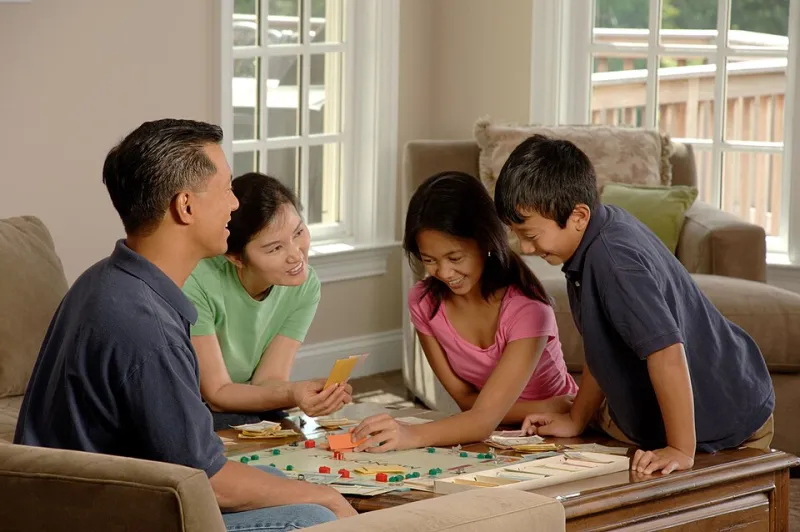
Photo: Bill Branson (Photographer), Public domain, via Wikimedia Commons
Something odd is happening in Britain's pubs, cafés and living rooms. While the doomscrollers swipe on, a quieter revolution has been unfolding: the games night is back, and it's brought its nan's biscuit tin with it.
Board game cafés are queuing out the door in Manchester and Bristol. Pub quiz leagues run seven nights a week in most postcodes. Vintage-themed parties — all bunting, gramophones and Bakelite — sell out faster than a Glastonbury early bird. Somewhere between the lockdown Zoom quizzes and the cost-of-living shift towards affordable nights in, Britain rediscovered that playing together beats watching alone.
For anyone who spends time in a live casino lobby, this matters more than you'd think. Because the same appetite driving the Monopoly resurgence is quietly reshaping what UK players want from a live dealer table.
The Zoom Quiz Hangover, In a Good Way
Remember when the whole nation learned to use mute buttons in the name of a picture round? That period did something lasting: it normalised playing games with a host. Not watching a host — playing with one.
The best live casino studios have noticed. The modern game show style table, with its chatty presenter and audience chat panel, is essentially a quiz night with stakes attached. The banter is the product as much as the odds. When a dealer wishes someone a happy birthday in the chat, that's the games night instinct at work — one host, a room of regulars, everyone in it together.
The nostalgia wave pushes this further. Players raised on Countdown, Bullseye and rainy afternoons of cards at the kitchen table don't want sterile interfaces. They want warmth, patter and a bit of theatre.
The Parlour Games Deserving a Casino Reboot
So which classics should studios be raiding? A few candidates practically beg for it:
Snoooker pool and bar billiards. The physics of a cue sport translates beautifully to a live wheel or ball-draw format. We've already seen the lottery-style ball games prove there's an appetite for anything you can watch rattle about.
Consequences and parlour word games. Harder to monetise, admittedly, but a live host drawing prompts from a deck while the chat shouts suggestions? That's a chat show that pays out.
Card classics beyond the usual suspects. Blackjack and baccarat dominate for good reason, but British households grew up on Newmarket, Rummy and the brutal politics of Cheat. Simplified, dealer-led variants with a fixed house edge could scratch an itch the current lobby doesn't.
The tombola and the raffle drum. Honestly, we've said it before on this site — nothing says British gaming quite like a numbered drum and a caller with a wireless microphone. The infrastructure exists; the nostalgia does the marketing.
What Players Should Actually Expect
A word of sensible caution, though, because not every nostalgia trip deserves your stake.
A retro theme is paint. Beneath the gramophone graphics and the host in period costume, every game is maths. Before you get swept up in a charmingly themed table, do the boring thing: check the RTP, read how the bonus rounds actually trigger, and make sure the operator holds a UK Gambling Commission licence. Nostalgia is a lovely reason to try a game and a terrible reason to stay on one.
It's also worth remembering that the social warmth of a games night — the chat, the cups of tea, the shared groans — is precisely what makes live tables so easy to linger on. Set a session length before you join, the same way you'd agree a finish time for a card night at your mate's. The kettle doesn't stay warm forever, and neither should your bankroll.
The Lobby of the Future Looks Like a Front Room
The through-line here is simple: British players increasingly want live casino gaming to feel like participation, not observation. The operators who understand that will build lobbies that feel less like an airport lounge and more like a well-run pub quiz — familiar hosts, running jokes, tables with personality.
The ones who don't will keep serving up identical studios with different logos, and wondering why everyone's gone back to the board game café.
So pour a brew, pick a table with a host who can actually hold a conversation, and enjoy the fact that Britain's favourite way to play — together, with a bit of banter — is finally having its moment. Just keep one eye on the clock. Games night always ends, and the best ones end with everyone still talking about it.