From the Betting Shop Window to the Bedroom Screen: How British Gambling Grew Up (and What We Lost Along the Way)

Photo: Hugh Llewelyn, CC BY-SA 4.0, via Wikimedia Commons
There's a particular kind of British afternoon that shaped an entire gambling culture: the rainy Tuesday. Cuppa going cold, telly rubbish, and the tempting glow of the bookies on the high street. For generations, that was the whole landscape. Gambling happened out there — in shops with frosted windows, in arcades that smelled of chips and 2p coins, in casinos you needed a membership card and a decent jacket to enter.
Today, the casino lives in your pocket, and the live dealer tables stream in glorious HD from studios in Riga and Manchester alike. It's worth asking, as we watch the roulette wheel spin on a phone at the bus stop: what did we gain, what did we lose, and what should we nick back from the old days?
The High Street Era: Gambling With Witnesses
The betting shops that proliferated after the 1960 legalisation of off-course betting were grimy, glorious institutions. No chairs at first, no drinks, no TVs — just a board of odds, a grumpy cashier, and the murmur of men who could read a racecard like scripture.
What that era had going for it, oddly, was friction. Getting to the shop took effort. Losing your stake meant walking home past people who might know about it. Gambling was embedded in a community, with all the soft social checks that implies. The local bookie knew when you'd had a bad week.
The Seaside Circuit: Cops, Robbers and 2p Falls
Meanwhile, up and down the coast, the arcades did their own quiet education. The 2p pusher taught a generation about near-misses and sunk costs long before anyone had heard the term. Fruit machines with 'holds' and 'nudges' — and later, the legendary £25 jackpot machines of the 1990s — turned chance into a tactile, social ritual. You went with your mates. You set a budget because that's all that was in your pocket.
It's rose-tinted, of course. Problem gambling existed then too, hidden and unmeasured. But the shape of the experience — physical, social, self-limiting by geography — is worth remembering.
The Digital Turn: The Casino Comes Home
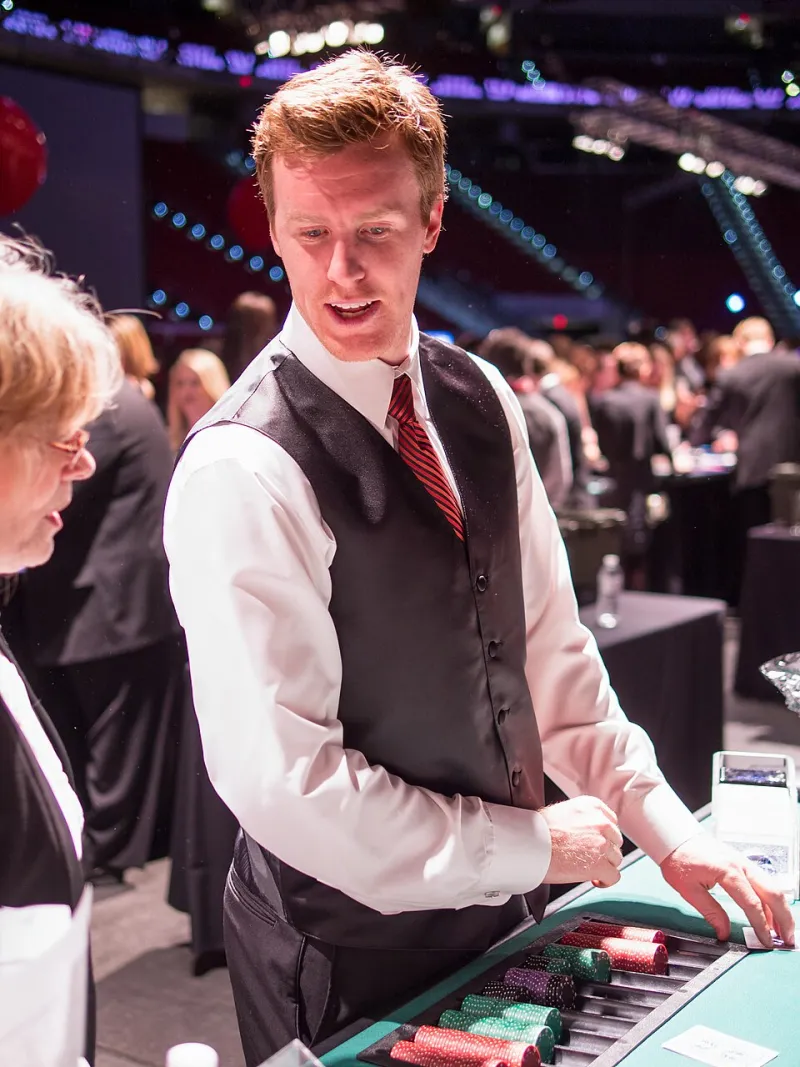
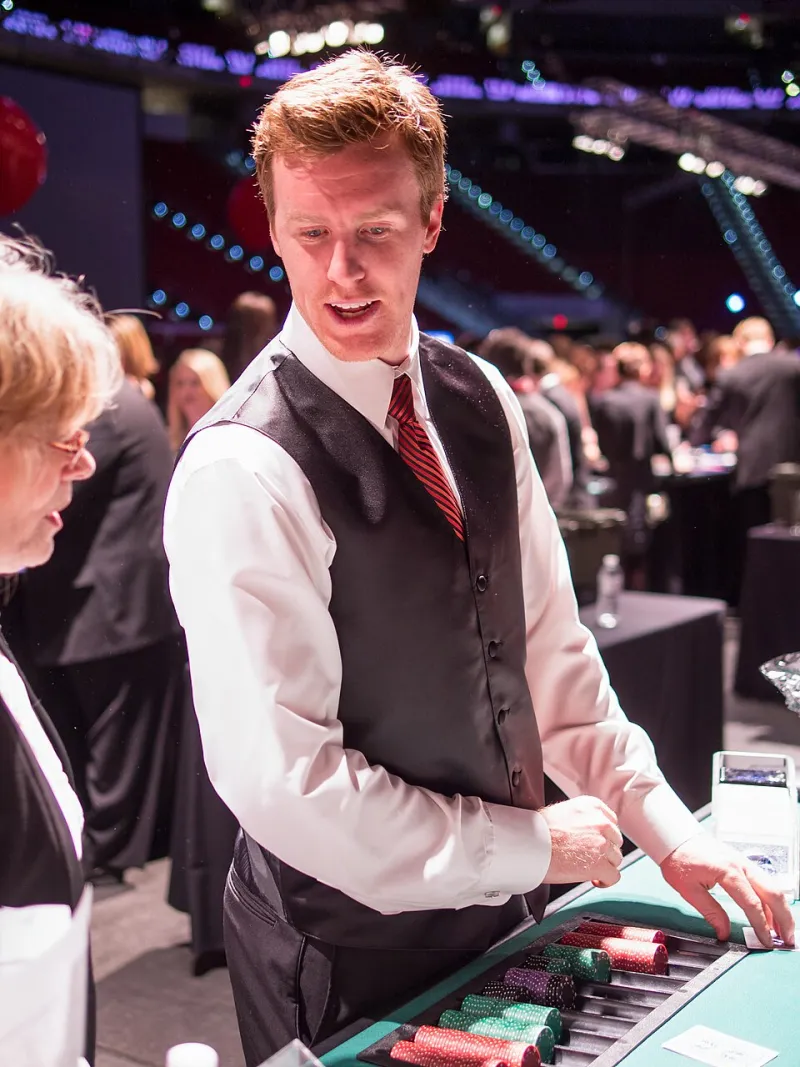
Then the internet arrived, and everything changed at pace. First the desktop betting accounts, then the smartphone revolution, and finally the piece that matters most to us at K8CC: the live dealer casino. Real croupiers, real cards, real wheels — streamed to your sofa, with chat functions and multiple camera angles that honestly outdo what you'd get at most provincial casinos.
The gains are undeniable. Choice, transparency, published RTPs, regulated operators under the UK Gambling Commission, deposit limits you can set yourself, and games that simply didn't exist before. The rainy Tuesday player no longer needs a rainy Tuesday — or a high street.
What We Lost, and How to Get It Back
Here's the opinionated bit: the old system's greatest feature wasn't nostalgia, it was built-in stopping points. The shop closed. The arcade closed. You ran out of change. Modern platforms never close, and that's both their genius and their danger.
So steal back the old habits, deliberately:
- The walk home. Set a session length before you start, and let it be the modern equivalent of the last bus.
- The pocket limit. Deposit what you'd have carried in change, not what a payment method will allow.
- The company. Live dealer games are the closest thing we have to the social table — use the chat, play the shared experience, rather than grinding anonymous slots alone at 2am.
- The regular's rhythm. The old boys didn't bet every race; they waited for the one they fancied. Selectivity is a lost art.
Old Values, New Tables
The British gambler has always been a creature of atmosphere — the roar in the betting shop when the outsider comes in, the clatter of the pusher, the hush at the blackjack table. Live casino gaming is, at its best, that atmosphere rebuilt for the bedroom, with better odds transparency and none of the smoke.
The rainy Tuesday isn't what it was. But the wisdom of the rainy Tuesday — know your limit, know your crowd, know when the shop's shut — translates perfectly. Play like a regular, not a tourist, and the modern casino can be every bit as characterful as the old high street ever was.
Please gamble responsibly. Free, confidential advice is available at BeGambleAware.org.