The Meter's Always Running: Why Your Casino Session Needs an Expiry Time, Not Just a Budget
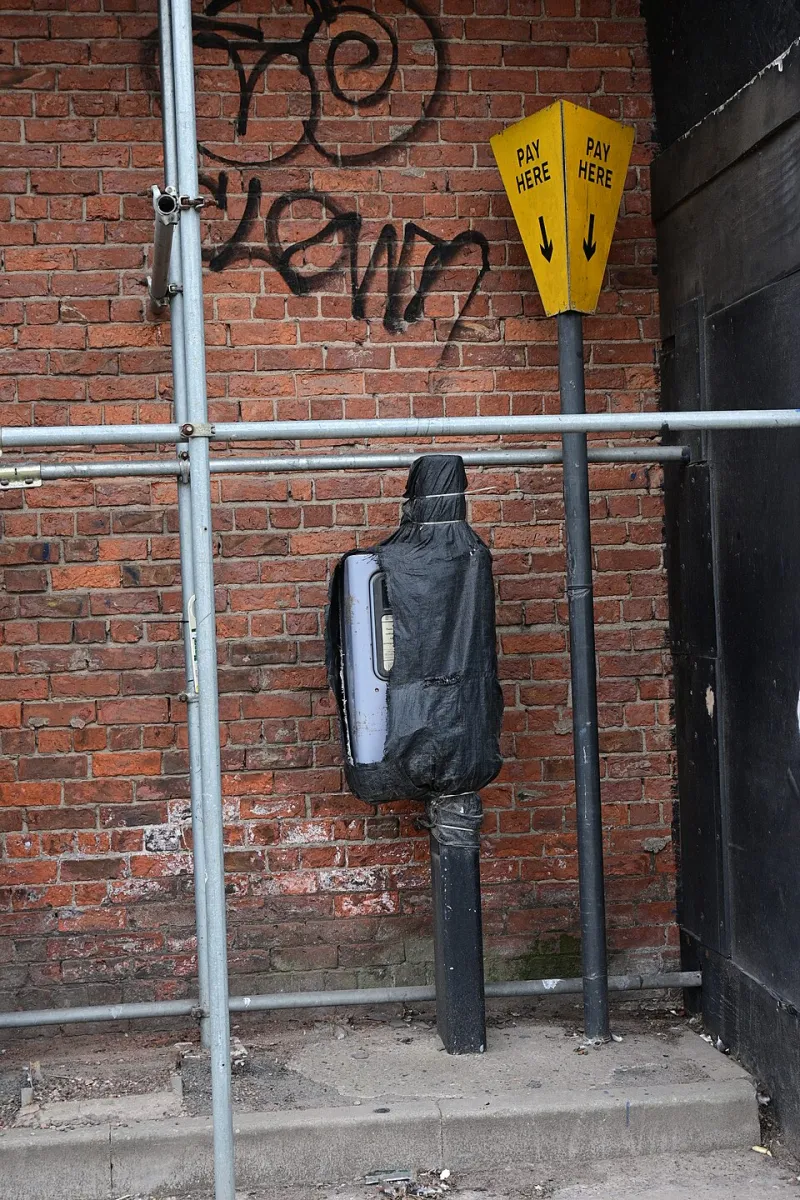
Photo: Hullian111, CC BY-SA 4.0, via Wikimedia Commons
There's a peculiar bit of British behaviour that nobody ever questions: we treat parking tickets like sacred law. The meter says ninety minutes, so ninety minutes it is. Nobody lingers for an extra quarter of an hour because the high street was 'going well'. We check our watches, we shuffle back to the car, and we're gone.
Yet hand the same person a casino balance and a free Saturday evening, and suddenly time becomes a foreign concept. Sessions that were meant to last an hour stretch into three. The budget set at 7pm gets quietly renegotiated by 9:30. Sound familiar?
The Problem With Loss Limits Alone
Most sensible advice about bankrolls stops at the money side of things: decide what you're willing to lose, deposit only that, and walk away when it's gone. It's decent advice as far as it goes — but it has a glaring flaw.
A loss limit only kicks in when things go badly. If you're up, or roughly breaking even, the limit never activates. There's nothing telling you to stop while you're ahead, and nothing stopping a two-hour session becoming a five-hour one. Time, not just money, is what drains your discipline. Fatigue makes looser decisions, and looser decisions make bigger stakes.
That's where the parking ticket rule comes in. Before you even open the deposit page, you decide when the session expires — and you treat that time the way you'd treat a ticket on the windscreen: non-negotiable.
How to Set Your Expiry Time
It's simpler than it sounds, but the details matter. Here's the working method:
- Pick the time before you deposit, not after. Once you're playing, your judgement is already compromised. Decide at the kettle, not at the reels.
- Keep it short and honest. Ninety minutes is plenty for a bit of fun. If you genuinely need four hours of slots on a Tuesday, that's worth examining on its own.
- Set a phone alarm — and label it. Not just a beep. Write 'Session over — withdraw and close' as the alarm text. Vague chimes are easy to ignore; specific instructions are harder to argue with.
- Put the app away when it rings. Not minimised. Closed. The friction of reopening it is your friend.
The Withdrawal Reminder: Your Ticket on the Dash
Here's the bit most people miss. A session end-time only works if the money actually leaves. It's remarkably easy to log off at your allotted hour, leave the balance sitting there, and drift back the next evening like it never happened.
So build the withdrawal into the routine. When your alarm goes, the first action is a withdrawal request — even if it's £30, even if it feels like pocket change. Many UK casinos process these quickly, and the act of moving money back to your bank is the psychological equivalent of getting back in the car. The trip is over. The meter's stopped.
If you're chasing a bonus or working through wagering requirements, this gets slightly more complicated — but not much. Check the terms first, work out whether the expiry time even allows you to finish the playthrough, and if it doesn't, either extend the session consciously or skip the bonus entirely. A promotion you can't clear inside a sensible time limit isn't much of a promotion.
Why Time Beats Money as a First Line of Defence
Think of it as two locks on the same door. The loss limit protects your wallet; the expiry time protects your evening, your sleep, and your judgement. One without the other leaves a gap.
Time limits also have a sneaky advantage: they work when you're winning. A loss limit is silent during a good run, which is precisely when sessions tend to balloon. An expiry time doesn't care whether you're £40 up or £40 down — 8:30 is 8:30, and the ticket's up.
There's a bonus side-effect, too. Sessions with a hard stop tend to be more enjoyable. Knowing there's a finish line takes the pressure off every spin. You're not grinding to recoup anything or stretching a balance to make it last the night — you've got a fixed window, and you're going to enjoy it.
The Warden Won't Warn You
The nice thing about parking tickets is that the consequences of overstaying are external. A warden, a fine, a brown envelope. Casino sessions don't come with that enforcement, so you have to build your own — alarm, withdrawal, close.
Set the meter before you play. Respect it like you'd respect a ticket on the bonnet. And if you find yourself negotiating with your own alarm, treat that as the clearest sign yet that the rule was worth writing in the first place.